
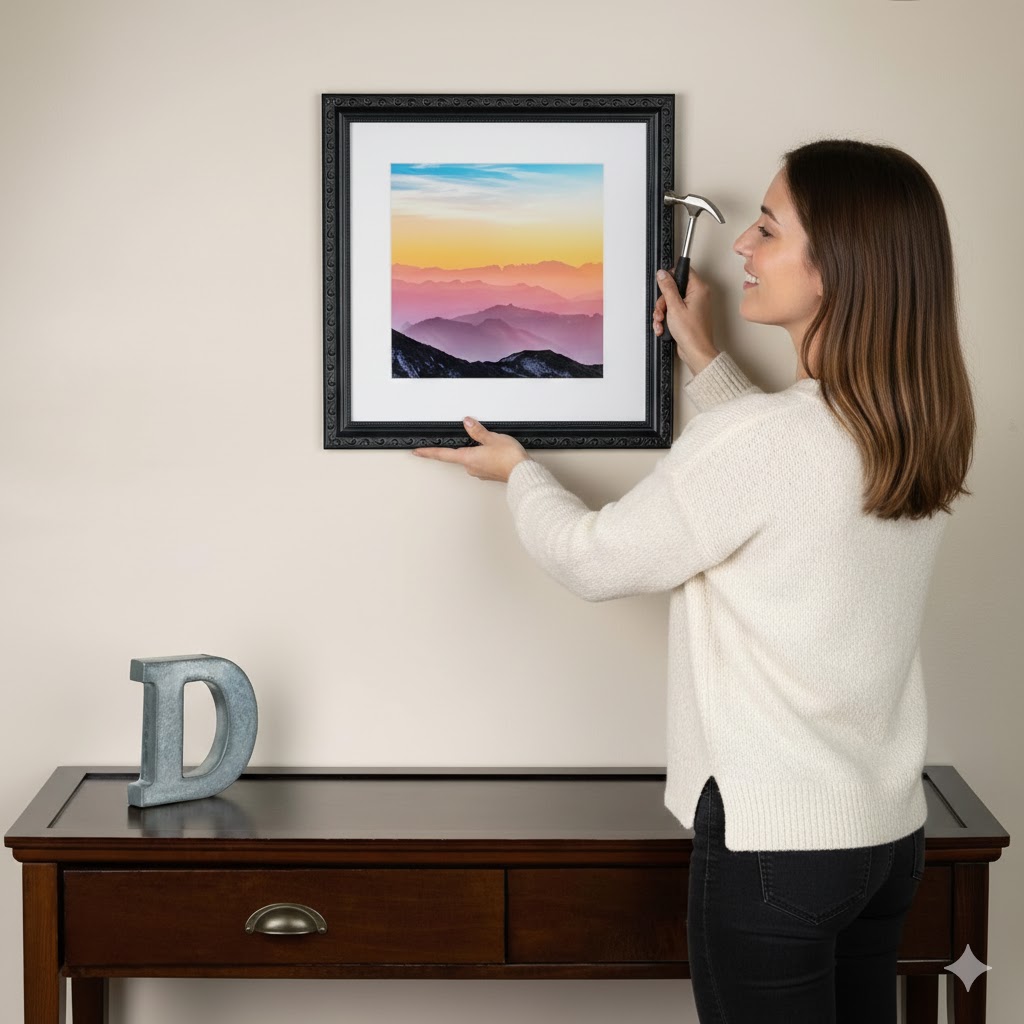
Beyond the Canvas: How Pictures and the Perfect Frame Elevate Your Interior Decor
In the world of interior design, we often focus on furniture, color palettes, and lighting. But there’s a powerful, often underestimated element that can truly transform a space: artwork and, crucially, the frame that surrounds it. Pictures aren’t just decorative fillers; they are storytellers, mood-setters, and personality-injectors. And the right frame? That’s the unsung hero that amplifies their impact, tying them seamlessly into your home’s aesthetic.+1
Click for Pricing
The Power of the Picture: More Than Just a Pretty Face
Imagine walking into a beautifully furnished room with bare walls. It feels incomplete, right? That’s because pictures do so much more than just fill empty space:
- They Tell Your Story: Whether it’s a cherished family photo, a travel landscape, or an abstract piece that speaks to you, artwork is a reflection of your life, passions, and experiences. It personalizes your home in a way no sofa ever could.
- They Set the Mood: A serene landscape can evoke calm, a vibrant abstract piece can inject energy, and a bold portrait can create drama. Artwork is a powerful tool for subtly influencing the emotional atmosphere of a room.
- They Introduce Color and Texture: Artwork is an excellent way to introduce accent colors or break up a monochrome scheme. The brushstrokes, the paper quality, or the canvas texture add visual interest and depth.
- They Create Focus: A well-placed piece of art can become a natural focal point in a room, drawing the eye and anchoring the design. It gives the room a sense of purpose and direction.
- They Add Scale and Dimension: From a grand gallery wall to a single, commanding piece, artwork helps to define the scale of a room and adds a layer of dimension that makes flat walls come alive.
The Unsung Hero: The Great Picture Frame
While the artwork itself is vital, its presentation is equally important. A great picture frame isn’t just a border; it’s an integral design element that enhances the art and complements your decor.
- It Completes the Artwork: A frame provides a visual boundary, separating the artwork from the wall and allowing the eye to focus solely on the image. It gives the piece a finished, polished look.
- It Defines the Style:
- Modern, Sleek Frames: Thin, minimalist frames in black, white, or natural wood can lend a contemporary edge, perfect for abstract art or modern photography.
- Ornate, Traditional Frames: Richly detailed gold, silver, or dark wood frames evoke classic elegance, ideal for traditional portraits, landscapes, or historical prints.
- Rustic or Industrial Frames: Distressed wood, metal, or reclaimed materials can enhance a farmhouse, industrial, or eclectic aesthetic.
- It Bridges Art and Decor: The frame acts as a crucial link, connecting the colors, materials, and overall style of the artwork to the rest of the room. A frame that picks up a subtle hue from a cushion or echoes the finish of a piece of furniture creates a cohesive, harmonious look.
- It Adds Texture and Depth: Many frames feature intricate carvings, unique finishes, or varying depths that add tactile and visual interest, even before you consider the art itself.
- It Protects Your Investment: Beyond aesthetics, a quality frame with archival matting and glazing protects your art from dust, damage, and UV rays, preserving it for years to come.
Mastering the Art of Framing and Placement
To truly leverage the power of pictures and frames in your decor:
- Consider the Art’s Personality: Let the art dictate the frame. A whimsical print might suit a colorful, playful frame, while a somber piece demands something more refined.
- Think About the Room’s Vibe: Match the frame’s style to the room’s overall decor. A modern frame in a rustic room can look jarring, unless done intentionally for an eclectic mix.
- Play with Scale: Don’t be afraid of oversized art or a gallery wall that commands attention. Conversely, a small, impactful piece in an elegant frame can hold its own on a smaller wall or shelf.
- Group Thoughtfully: For gallery walls, consider a mix of frame styles and sizes for an eclectic look, or uniform frames for a more ordered, sophisticated display.
- Height Matters: A common mistake is hanging art too high. The center of the artwork should generally be at eye level (around 57-60 inches from the floor), or lower if hanging above furniture.